
Selecting the right hosting option can either make or break your digital presence in the highly competitive online world. Whether it is related to business, online shopping, or even blogs, the performance, reliability, and cost factors can play an important role in your success. It is for this reason that many website owners try to find Low cost vps hosting to achieve the best performance without compromising the budget.
Many website owners start with the shared hosting option because it is the cheapest option. But as the performance requirements increase with the growth of the website, the shared hosting option can turn into a bottleneck. It is at this juncture that the VPS hosting option comes into the picture as the best alternative.
If you are looking for the best option to achieve the right blend between cost and performance, it can be the best option for your needs.
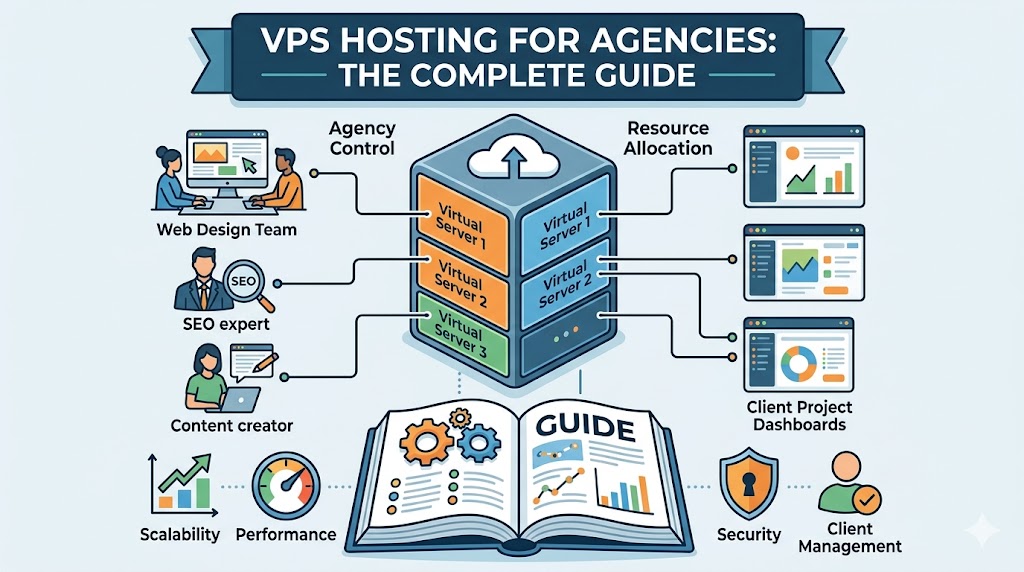
A Virtual Private Server (VPS) is created by dividing a physical server into multiple virtual environments using virtualization technology. Each virtual server acts independently, offering dedicated resources like CPU, RAM, and storage.
Unlike shared hosting, where resources are distributed among many users, VPS ensures consistency and stability. Each user operates in an isolated environment, which means better performance and enhanced security.
This makes VPS hosting an excellent choice for growing websites that require more control and reliability.
The demand for VPS hosting has increased significantly over the years, and for good reason. It offers a middle ground between shared hosting and dedicated servers.
Websites hosted on VPS experience faster load times due to dedicated resources. This improves user experience and helps reduce bounce rates.
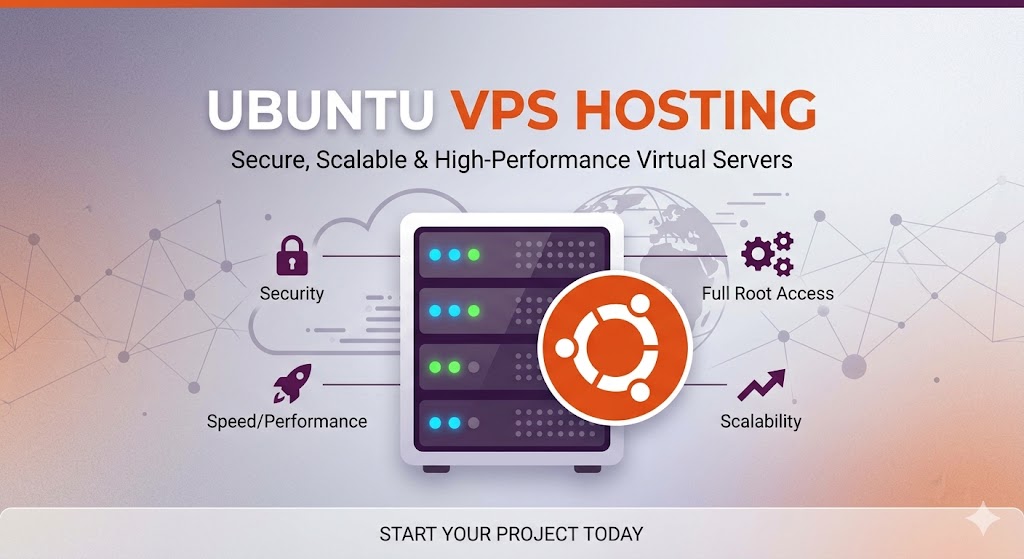
With root access, users can customize their server environment, install applications, and configure settings according to their needs.
Since each VPS is isolated, the risk of security breaches from other users is minimized.
As your website grows, VPS allows you to upgrade resources easily without downtime.
For businesses that want to scale without spending excessively, Low Cost VPS Hosting provides an efficient and practical solution.
Before choosing a VPS plan, it’s important to evaluate the features offered by the provider:
Modern VPS solutions use SSD or NVMe storage, which significantly improves performance.
Look for providers offering at least 99.9% uptime to ensure your website remains accessible.
This allows complete control over your server environment.
Regular backups help protect your data from unexpected loss.
Features like firewalls, DDoS protection, and monitoring tools are essential.
Choose a plan that allows easy upgrades as your needs grow.
Understanding the types of VPS hosting can help you make an informed decision:
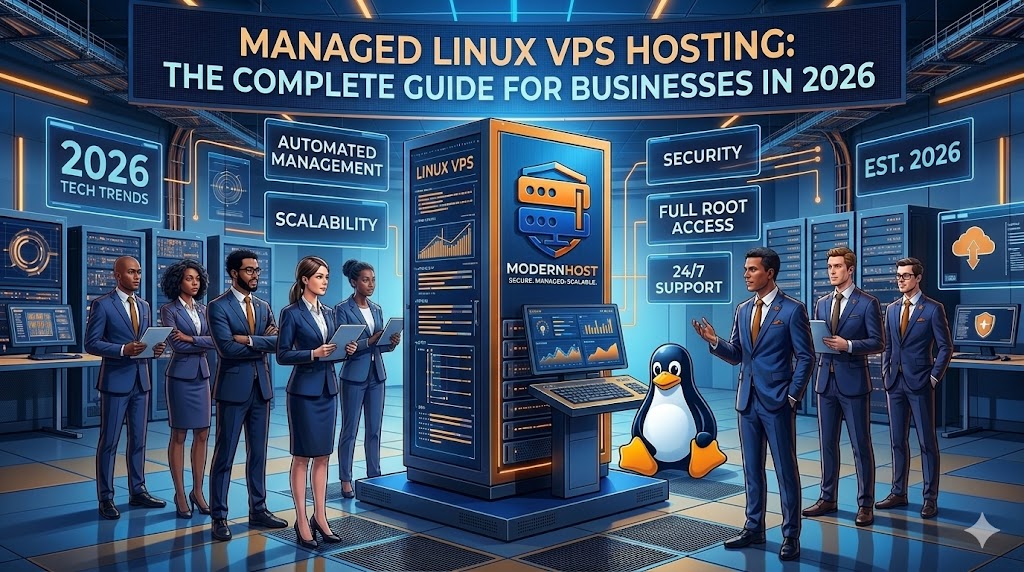
In managed hosting, the provider takes care of server maintenance, updates, and security. This is ideal for beginners or businesses without technical expertise.
Here, you are responsible for managing the server. This option is more affordable but requires technical knowledge.
Cloud-based VPS uses multiple servers, offering better reliability and scalability.
VPS hosting is suitable for a wide range of users:
It provides stable performance for growing websites.
Ideal for testing applications and running custom environments.
Ensures smooth performance even during high traffic.
Allows management of multiple client websites efficiently.
Supports high traffic and media-rich content.
| Feature | Shared Hosting | VPS Hosting |
| Performance | Limited | High |
| Resources | Shared | Dedicated |
| Security | Basic | Advanced |
| Control | Minimal | Full |
| Scalability | Low | High |
This comparison highlights why VPS is often the next step for serious website owners.
Speed plays a crucial role in user experience and SEO rankings. VPS ensures quicker load times.
Your website performance remains unaffected by other users.
You can configure your server to meet specific requirements.
You get high performance without paying for an entire dedicated server.
For individuals and businesses aiming to grow efficiently, Low Cost VPS Hosting offers a practical and scalable path forward.
Choosing the right provider is just as important as choosing the right plan.
Ensure there are no hidden costs.
Select a provider with servers close to your target audience.
24/7 support is essential for resolving technical issues quickly.
Look for providers using modern CPUs and fast storage.
Make sure you can upgrade resources easily.
Check customer feedback before making a decision.
Many users make avoidable mistakes when selecting VPS hosting:
The cheapest option may compromise performance and reliability.
Security should always be a priority.
Choose a plan that supports future expansion.
Reliable support can save you from major downtime issues.
VPS hosting is highly versatile and can be used for:
Run multiple websites efficiently.
Deploy custom applications or SaaS platforms.
Host multiplayer games with stable performance.
Create secure and private email systems.
Test and deploy projects with ease.
Getting started with VPS hosting is straightforward:
Select resources based on your requirements.
Choose between Linux and Windows.
Connect via SSH or remote desktop.
Set up your web server and applications.
Configure firewalls and monitoring tools.
Your choice depends on your technical needs and familiarity.
To get the best performance from your server:
The hosting industry is evolving rapidly, and VPS technology continues to improve with:
These advancements make VPS hosting more powerful and accessible than ever before.
Choosing the right hosting solution is a critical step in building a successful online presence. VPS hosting offers a perfect blend of performance, control, and affordability, making it an excellent choice for growing websites.
Whether you’re launching a startup, managing an eCommerce platform, or scaling your digital business, VPS hosting provides the flexibility you need.
For those looking to upgrade without overspending, Low Cost VPS Hosting stands out as a smart and reliable option. It empowers you with better speed, improved security, and the ability to scale as your business grows.
Investing in the right hosting today can set the foundation for long-term success tomorrow
VPS hosting is a type of web hosting where a physical server is divided into multiple virtual servers. Each virtual server operates independently with its own resources like CPU, RAM, and storage. This setup gives users better performance and control compared to shared hosting.
Yes, VPS hosting can be suitable for beginners, especially if you choose a managed plan. Managed VPS takes care of technical tasks like server maintenance, updates, and security, making it easier for non-technical users to handle.
In shared hosting, multiple websites share the same server resources, which can affect performance. VPS hosting, on the other hand, provides dedicated resources within a virtual environment, resulting in better speed, stability, and security.
You should consider upgrading when your website experiences slow loading times, increased traffic, or requires more control and customization. VPS is ideal when shared hosting no longer meets your performance needs.
Yes, VPS hosting is more secure than shared hosting because each virtual server is isolated. This reduces the risk of being affected by other users on the same physical server. Additional security measures like firewalls and monitoring can further enhance protection.
Most VPS hosting providers offer flexible scalability options. You can upgrade your CPU, RAM, or storage as your website grows without experiencing significant downtime.
VPS hosting typically supports both Linux and Windows operating systems. Linux is more popular due to its cost-effectiveness and flexibility, while Windows is preferred for applications that require Microsoft technologies.
Basic technical knowledge is helpful for unmanaged VPS hosting. However, if you are not familiar with server management, you can choose a managed VPS plan where the provider handles most of the technical work.
A VPS server can be used for hosting websites, web applications, e-commerce stores, game servers, email servers, and development environments. Its flexibility makes it suitable for a wide range of use cases.
VPS hosting is highly reliable because it uses dedicated resources and isolated environments. Most providers also offer high uptime guarantees, ensuring that your website remains accessible to users most of the time.