

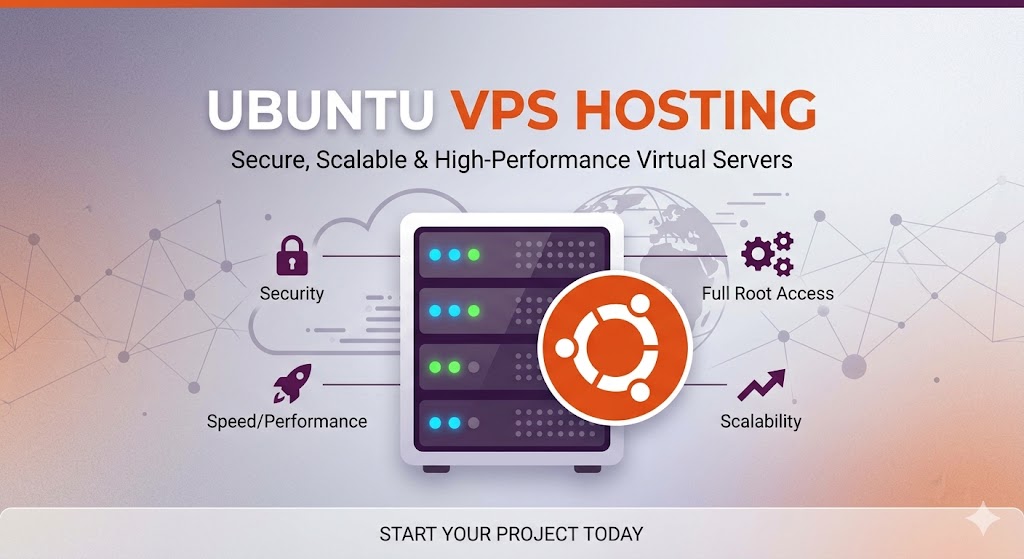
In today’s fast-paced digital ecosystem, businesses and developers require hosting solutions that deliver high performance, flexibility, and complete control. As websites, applications, and online platforms grow more complex, traditional shared hosting often falls short. This is where Ubuntu VPS hosting becomes a powerful, reliable solution.
It combines the flexibility of virtual private servers with the stability and security of the Ubuntu operating system. Developers, startups, enterprises, and system administrators widely prefer it for its efficiency, cost-effectiveness, and scalability.
This comprehensive guide explores everything you need to know about, including its benefits, use cases, technical features, and why it’s an ideal choice for modern hosting needs.
It is a type of web hosting in which a physical server is partitioned into multiple virtual servers using virtualization technology. Each virtual server operates independently with its own dedicated resources such as CPU, RAM, storage, and bandwidth.
Ubuntu, a popular Linux-based operating system, is installed on the VPS, providing a stable, secure, and developer-friendly environment.
MainVPS hosting guarantees superior performance, isolation, and customization, unlike shared hosting, which distributes resources among multiple users.
Ubuntu is one of the most widely used Linux distributions in the world. Its popularity is driven by its simplicity, strong community support, and robust performance.
Ubuntu is completely free and open-source, which significantly reduces licensing costs. This makes it an ideal choice for startups and businesses looking to optimize their hosting budget.
Ubuntu releases are tested thoroughly, ensuring a stable environment for hosting applications, websites, and databases.
With millions of users worldwide, Ubuntu has a vast community that provides documentation, tutorials, and troubleshooting support.
Ubuntu provides timely security patches and updates, ensuring your VPS remains protected from vulnerabilities.
Ubuntu supports a wide range of programming languages, frameworks, and tools, making it perfect for developers and DevOps teams.
offer several advanced features that make it superior to traditional hosting solutions.
Each VPS has its own allocated CPU, RAM, and storage, ensuring consistent performance without interference from other users.
Users get complete control over their server, allowing them to install, configure, and manage software as needed.
You can easily upgrade resources as your website or application grows.
With SSD or NVMe storage, Ubuntu VPS ensures faster data processing and reduced latency.
You can configure the server environment based on your specific requirements.
Unlike shared hosting, Ubuntu VPS provides dedicated resources such as CPU, RAM, and storage, which significantly improve overall performance. Your website or application does not compete with other users for resources, resulting in faster loading times, better response rates, and a smoother user experience. This is especially important for high-traffic websites, dynamic applications, and resource-intensive workloads.
Additionally, Ubuntu’s lightweight architecture ensures optimal resource utilization, allowing your VPS to handle more processes efficiently without unnecessary overhead.
Security is one of the biggest advantages of. Each VPS operates in an isolated environment, meaning activities on other virtual servers cannot impact your system. This isolation minimizes the risk of malware attacks, data breaches, and unauthorized access.
Ubuntu also provides built-in security features such as regular security updates, firewall configuration tools like UFW, and secure SSH access. You can further enhance security by implementing custom rules, installing security patches, and configuring user permissions according to your requirements.
Full root access gives you complete control over your server environment. You can install any software, configure server settings, and optimize performance based on your specific needs.
Whether you want to run custom applications, deploy development frameworks, or configure advanced server setups, Ubuntu VPS allows unlimited customization. This level of control is particularly beneficial for developers, system administrators, and businesses with unique technical requirements.
It offers an excellent balance between cost and performance. Since Ubuntu is an open-source operating system, there are no licensing fees, which reduces overall hosting costs.
Compared to dedicated servers, VPS hosting provides similar benefits at a much lower price. This makes it an ideal solution for startups, small businesses, and growing enterprises that need reliable performance without a high investment.
As your website or application grows, it allows you to scale resources easily. You can upgrade CPU, RAM, storage, and bandwidth without migrating to a new server or experiencing downtime.
This scalability ensures that your hosting environment can handle increasing traffic, expanding databases, and more complex applications without performance issues.
It is known for its stability and reliability. Since resources are dedicated and isolated, your server performance remains consistent even during peak usage times.
Most VPS providers also offer high uptime guarantees, ensuring that your website or application remains accessible to users at all times. This reliability is crucial for businesses that depend on continuous online availability.
Ubuntu is widely preferred by developers due to its compatibility with popular programming languages and frameworks such as PHP, Python, Node.js, and Ruby.
It also supports development tools like Docker, Git, and CI/CD pipelines, making it easier to build, test, and deploy applications. This makes Ubuntu VPS an excellent choice for development, staging, and production environments.
Ubuntu uses the APT (Advanced Package Tool), which simplifies software installation, updates, and management. With just a few commands, you can install web servers, databases, control panels, and other applications.
This ease of management saves time and reduces the complexity of maintaining your server.
Ubuntu has a massive global community that continuously contributes tutorials, forums, and guides. If you encounter any issues, you can quickly find solutions or get support from the community.
This extensive documentation makes it more accessible, even for users who are new to server management.
It is highly versatile and can be used for various purposes, including:
This flexibility makes it suitable for individuals, startups, and large enterprises alike.
| Feature | Shared Hosting | Ubuntu VPS Hosting |
|---|---|---|
| Performance | Limited | High |
| Resource Control | Shared | Dedicated |
| Security | Moderate | High |
| Customization | Limited | Full |
| Scalability | Difficult | Easy |
| Feature | Ubuntu VPS Hosting | Dedicated Server |
|---|---|---|
| Cost | Affordable | Expensive |
| Resource Access | Virtualized | Fully Dedicated |
| Scalability | Easy | Limited |
| Maintenance | Managed/Unmanaged | Requires expertise |
It is suitable for a wide range of applications and industries.
Host websites with better speed, uptime, and reliability.
Develop, test, and deploy applications in a controlled environment.
Run online stores with high performance and secure transactions.
Host multiplayer games with low latency and high performance.
Create secure remote desktop environments for teams.
Ubuntu is optimized for performance and consumes fewer resources compared to other operating systems.
Ubuntu uses APT (Advanced Package Tool), making software installation and updates simple and efficient.
Supports various technologies, including:
Ubuntu integrates seamlessly with automation tools such as Ansible, Jenkins, and Terraform.
Security is a critical aspect of any hosting environment. Ubuntu VPS provides multiple layers of protection.
Use tools like UFW (Uncomplicated Firewall) to manage network traffic.
Secure server access using encrypted SSH connections.
Frequent security patches keep your server protected.
Control access levels for different users and roles.
Automated backups ensure data recovery in case of failures.
Select a reliable VPS provider with good uptime and support.
Choose between LTS (Long-Term Support) or the latest versions.
Set up CPU, RAM, and storage based on your needs.
Connect to your server using SSH credentials.
Install web servers, databases, and applications.
Configure firewall, disable root login, and set strong passwords.
Solution: Use managed VPS hosting or control panels like cPanel.
Solution: Implement firewalls, regular updates, and monitoring.
Solution: Upgrade VPS plan as needed.
With the rapid growth of cloud computing, it continues to evolve. Integration with cloud platforms, containerization, and AI-driven automation is making VPS hosting more powerful and efficient.
Technologies like Kubernetes and Docker are further enhancing the capabilities of Ubuntu VPS environments, making them ideal for modern application deployment.
It is a powerful, flexible, and cost-effective solution for businesses, developers, and organizations looking to enhance their online presence. With its combination of performance, security, and scalability, it stands out as one of the best hosting options available today.
Whether you are running a high-traffic website, developing applications, or managing enterprise workloads, Ubuntu VPS provides the tools and environment needed for success.
By choosing, you gain complete control, improved performance, and the ability to scale your infrastructure as your business grows.
It is a virtual private server powered by the Ubuntu operating system with dedicated resources like CPU, RAM, and storage. It provides better performance and control compared to shared hosting. This makes it suitable for websites and applications that need stability and flexibility.
This server setup offers strong stability, security, and scalability for growing projects. It is widely used for hosting websites, applications, and business platforms. Its flexibility and developer-friendly environment make it a reliable choice.
Yes, you get full administrative access to manage your server completely. This allows you to install software, configure settings, and control the environment. It gives you complete flexibility to customize everything as needed.
Yes, especially when using a managed plan that handles technical tasks. Ubuntu also has extensive documentation and community support available. This makes it easier for beginners to learn and manage servers.
It provides dedicated resources, which improve speed and overall performance. Your environment is isolated, so other users do not affect your server. This results in better security, reliability, and customization options.
Yes, you can host multiple websites by configuring your server properly. Tools like Apache or Nginx allow you to set up virtual hosts easily. This makes it a cost-effective solution for managing multiple projects.
Yes, it includes built-in security features like firewall tools and SSH access. Regular updates help protect your server from vulnerabilities. You can also apply additional security configurations based on your needs.
Long-term support (LTS) versions are the best option for most users. They offer extended updates, better stability, and improved security. This ensures your server remains reliable over time.
Yes, you can easily upgrade CPU, RAM, and storage as your needs grow. Most providers allow scaling without major downtime. This helps your server handle increased traffic and workloads smoothly.
You can run websites, web applications, and databases efficiently. It also supports eCommerce platforms, game servers, and development environments. This makes it a versatile solution for many use cases.


